Ward-Thomas Museum


Robins Furniture Store
Ward — Thomas
Museum
Home of the Niles Historical Society
503 Brown Street Niles, Ohio 44446
Click here to become a Niles Historical Society Member or to renew your membership
Click on any photograph to view a larger image, click on image again to zoom into photograph.
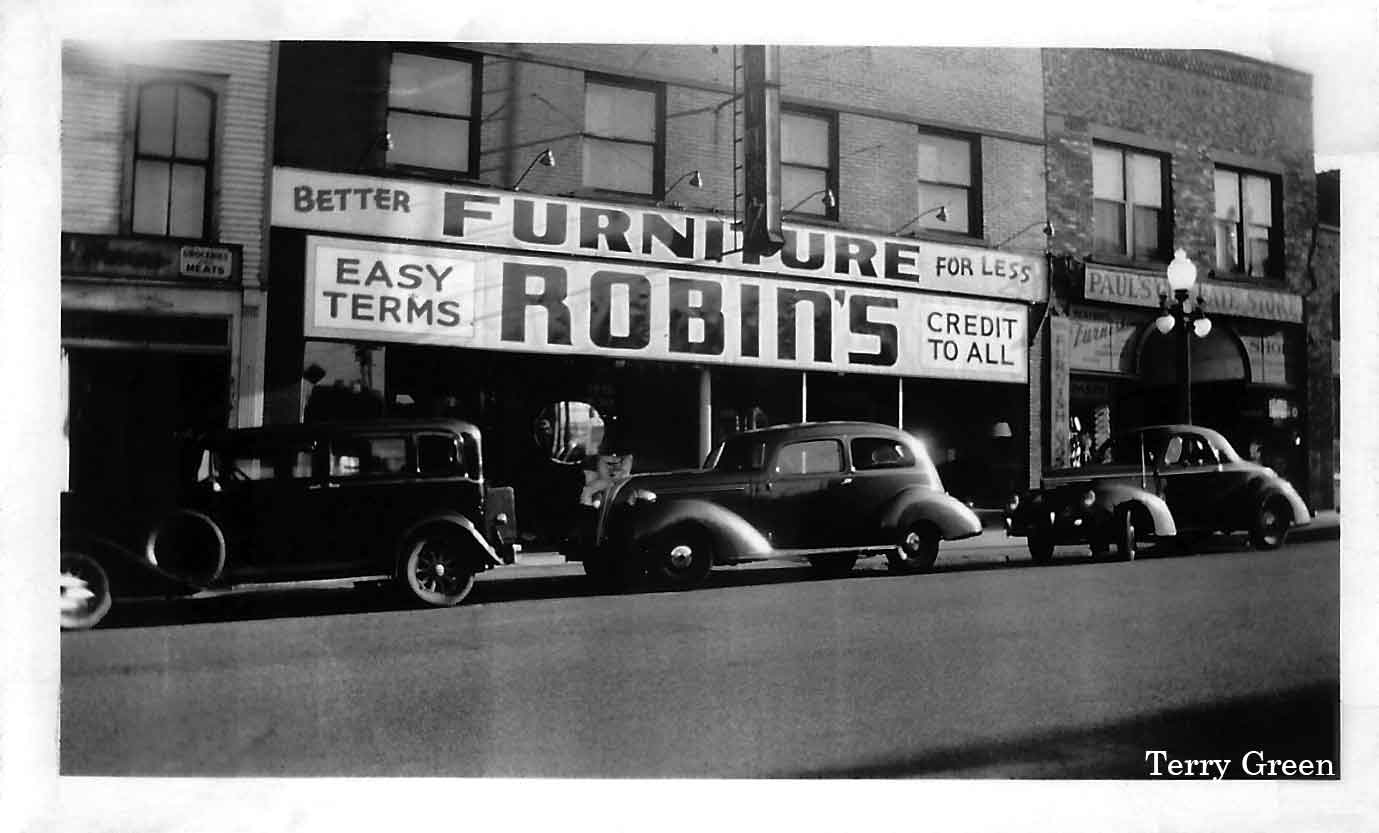
Robins Furniture Company which
was
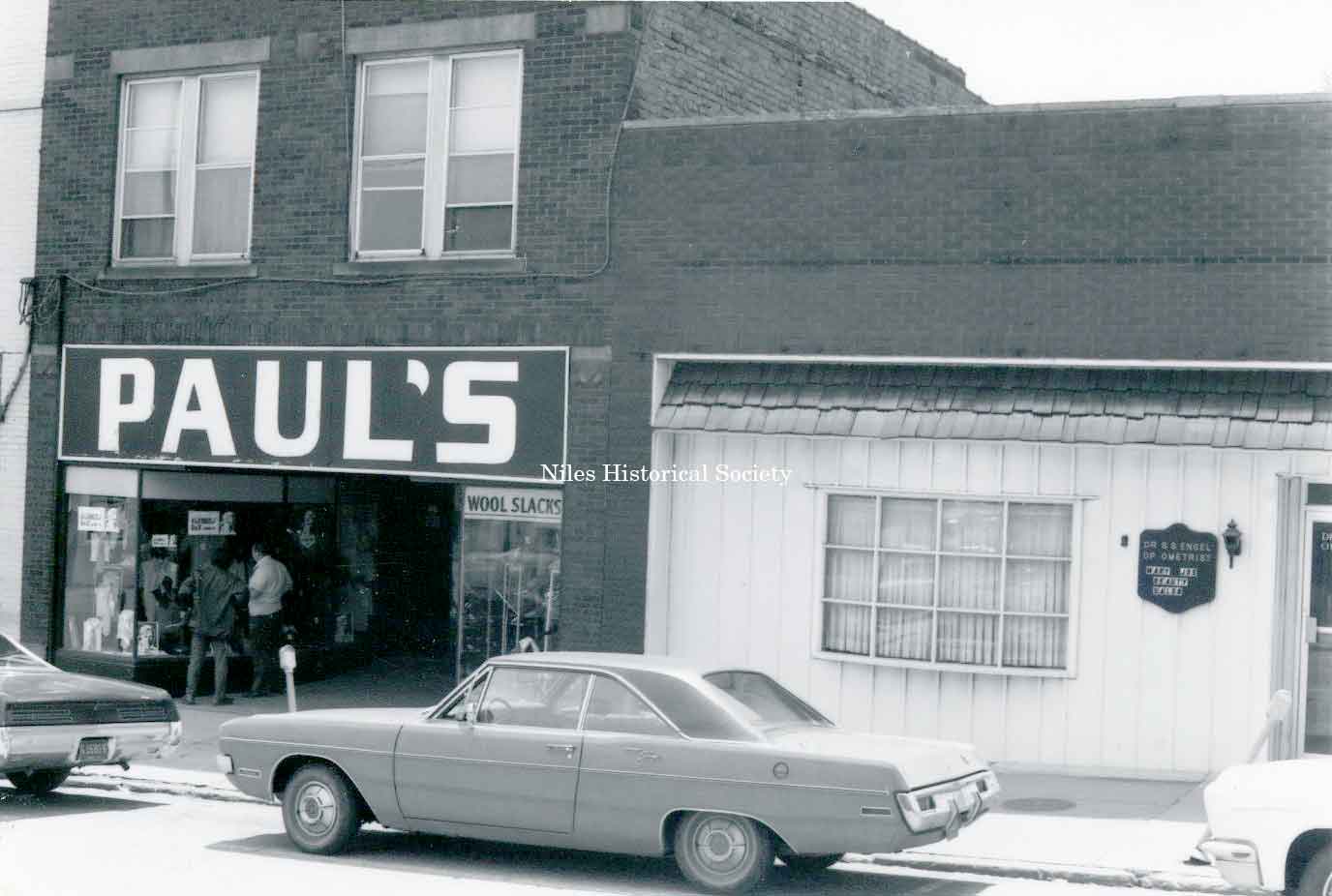
Paul’s Cut Rate Store which
stood |
Robins Furniture Company.
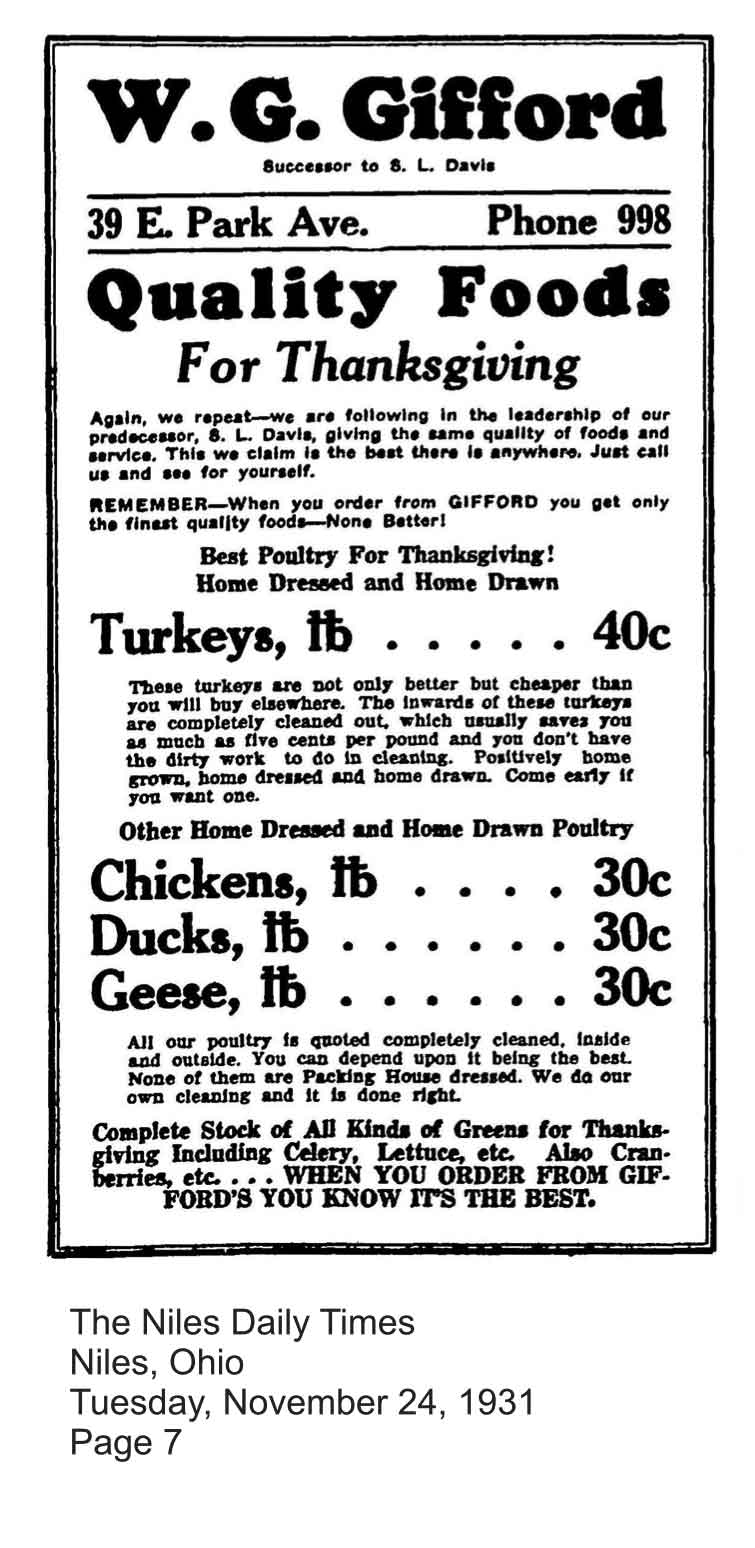
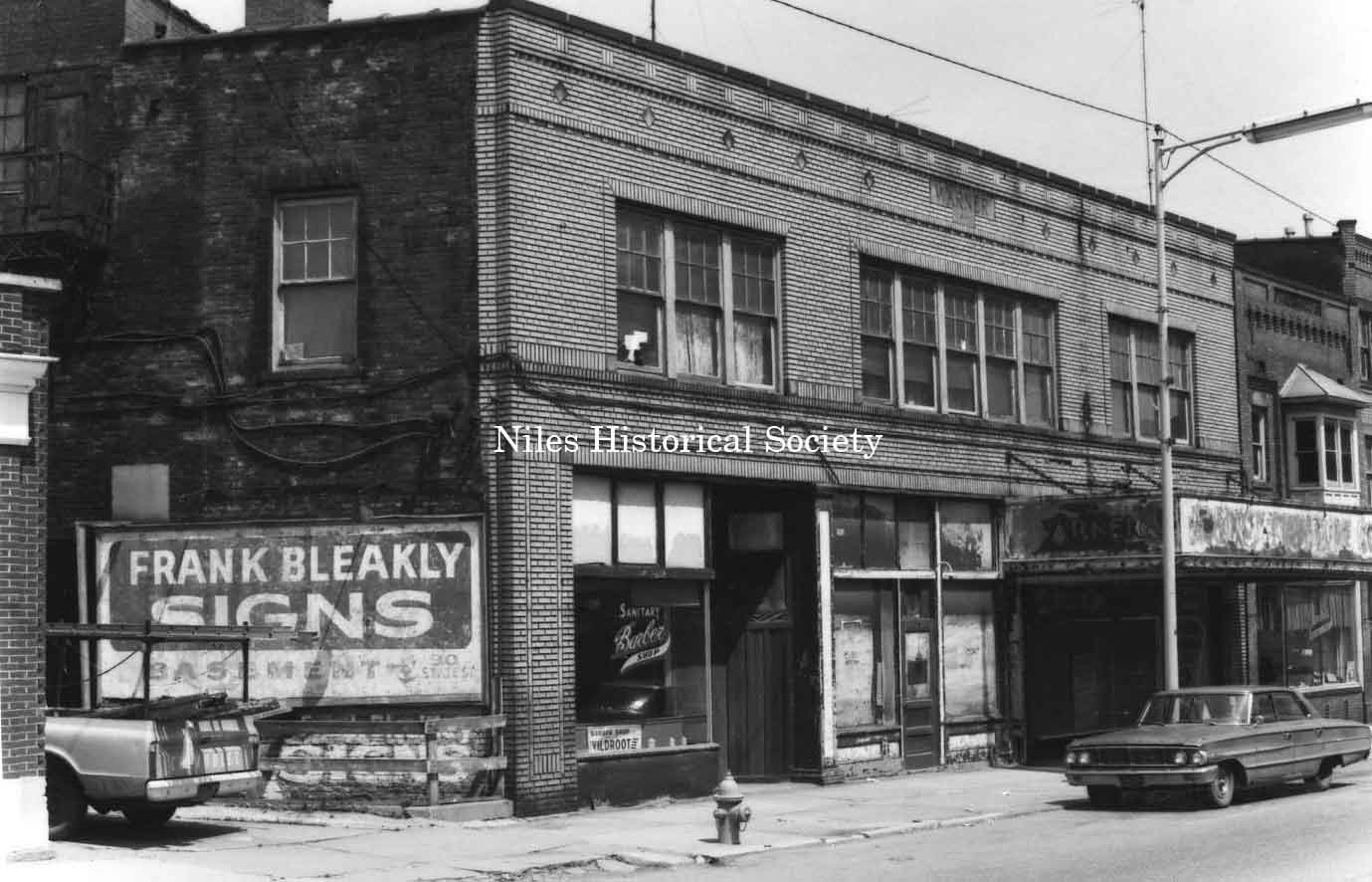
My maternal grandfather was Frank Elbert Bleakley (1905-2005). From 1928 to 1972, his sign shop was headquartered in the basement of the Warner Theatre Building on East State Street. Jeez, talk about operating out of a hole in the ground! I’ve run across examples of dungeons that exuded more warmth and charm. Anyway, for a very brief moment circa 1936-1940, he or someone close to him captured a few snapshots of his sign work around the old Donut. The following image is one from that collection. This is a photo of the Robins Furniture Company which was located at 33-35 East Park Avenue. The firm opened this store in June or July of 1937. I’m fairly certain the snapshot dates from that period. The snapshot (on left) also offers a view of Paul’s Cut Rate Store which stood at 27 East Park Avenue. Owned and operated by Paul Narotsky (1899-1987), the business made its debut on March 5, 1932. Narotsky managed to hang on until April 13, 1974, when he finally called it quits. On the left side of the photo, one can just make out W. G. Gifford’s Meat Market at 39 East Park Avenue. William George Gifford (1885-1950) commenced operations there on November 15, 1931, after buying out Silas L. Davis (1879-1956). In October 1941, Gifford relocated to Klinger’s former Isaly Dairy outlet in the Sigler Building at 301 Robbins Avenue. He eventually moved the business to West Park Avenue Ext. Frank Ruben (1885-1950) and James J. Bernard (1900-1988) set up their barber shop and music store in Gifford’s old East Park Avenue storefront in April 1942. |
|
| |
||
 |
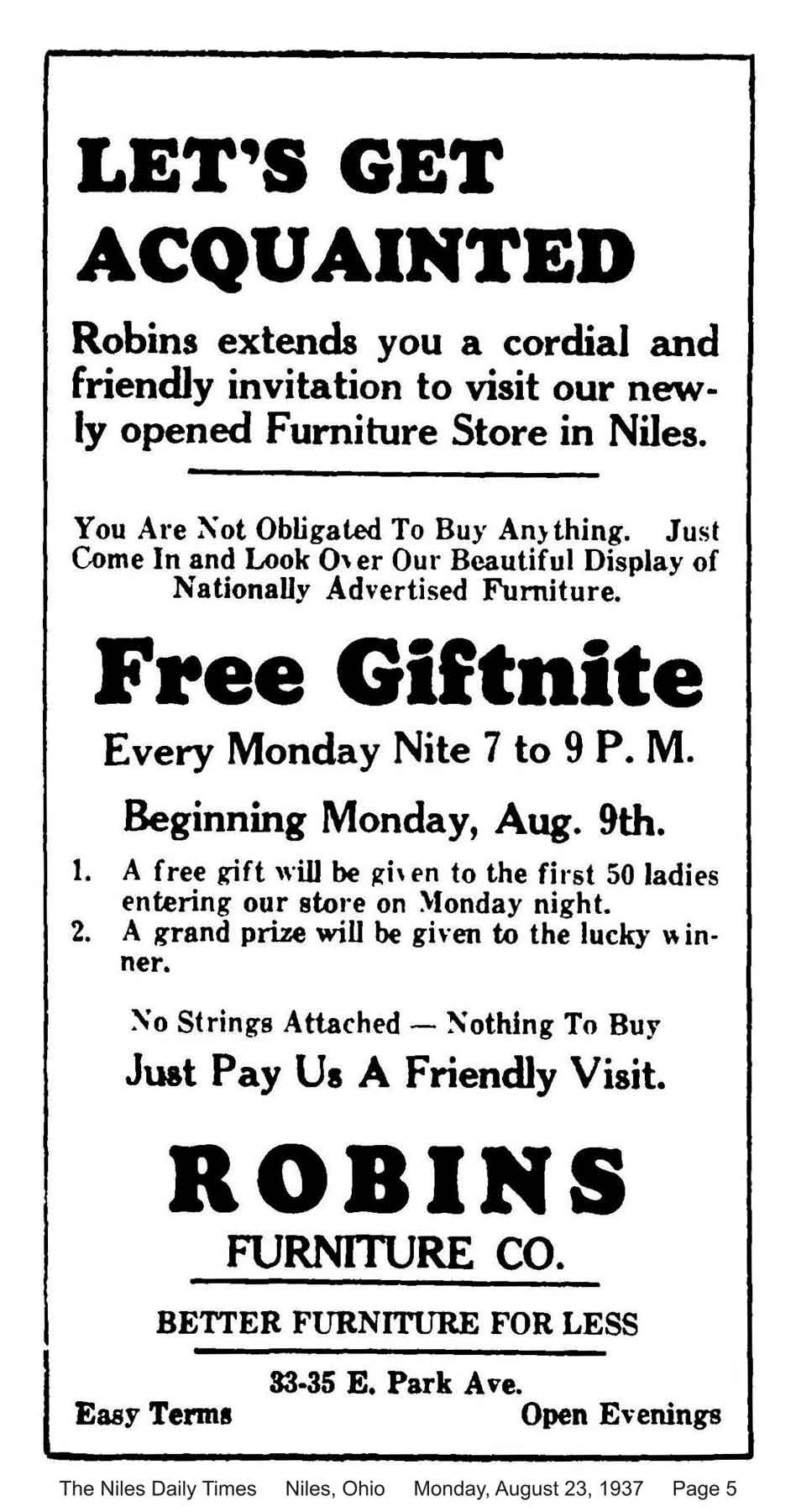
Jacob Edgar “Jack” Robins (1888-1956) founded the Robins Furniture Company about 1922 or 1923 in Youngstown. At the time of his death, he was listed as president of the Robins Enterprises Company and vice-president of the Robins Theatre in Warren. The Warner and Robins family ties in Niles date back to 1915 when Benjamin Warner and Daniel Robins took over management of the Niles Opera House. Though old man Warner assumed the role of manager and front man, one kind of gets the feeling that Daniel Robins was the real brains behind that venture. |
|
| |
||
The Robins Enterprises Company bought out the Warner interests on East State Street in January 1927. Edgar Wilkoff of Youngstown was named manager of the theater. Peter Rufo (1905-1995) took over for Wilkoff in October of that year. It was Rufo who gave my grandfather the green light to move into the basement in 1928. The Robins family operated the Warner Theatre until 1948, with their final show taking place on June 1. The very next day, an ad appeared in the paper announcing some 400 theater seats priced to sell quickly. There’s no word on who snatched those up. Since the rear of the furniture store abutted the north wall of the Warner Theatre, the plan was to create a passageway leading to a new showroom on the main floor of the movie house. When it was completed, customers could either enter the premises from East Park Avenue or stroll in via the old theater entrance on East State Street. It is believed that this layout remained until the firm finally closed their Niles store in 1962. The company continued to operate a branch in Warren for a number of years. Incidentally, you may recall that the former Robins Furniture location on East Park Avenue was the focal point in a standoff with the city during the Urban Renewal Project. This delayed the demolition of the Warner Theatre until 1975. Returning back to that Warner Theatre image for a moment, you may be wondering why Grandpa’s surname is missing an E. True, it would be fair to say that Frank wasn’t always the most competent speller; in fact, he was forever calling up my mother and asking her how to scribble out this word or that. But he had mastered the jumble of letters in his last name at an early age. This wasn’t a problem. No, the reason for the typo is both amusing and vintage Frank. For a work this large, it was imperative to first mark out the letters with chalk or a stick of charcoal. In retrospect, this was pretty much standard operating procedure on all the surfaces he lettered. It helped to ensure both the correct spelling and the spacing. |
||
Robins Furniture Advertisement |
W.G. Gifford Advertisement |
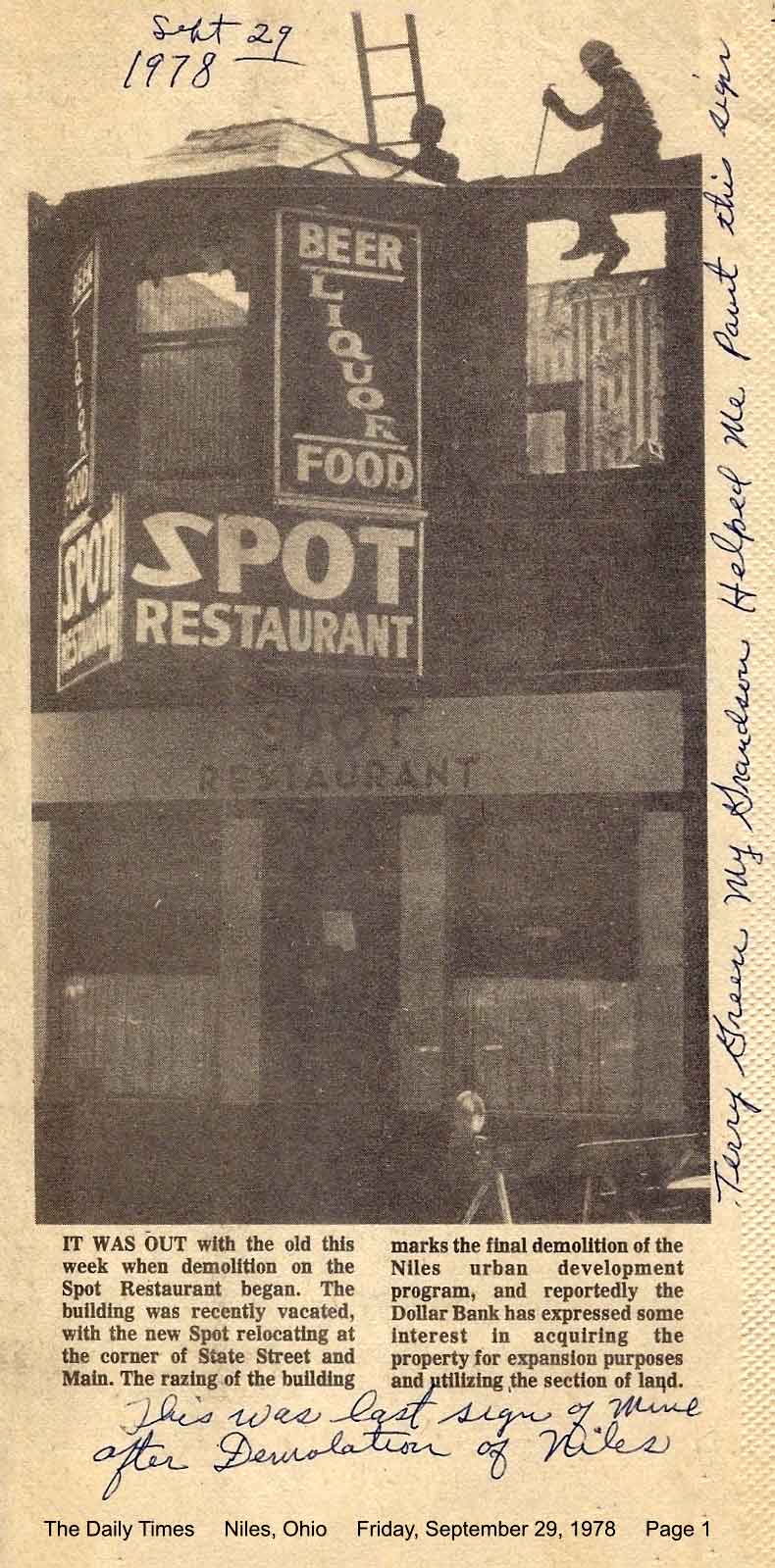
Last Bleakley Sign |
|
|
||
|
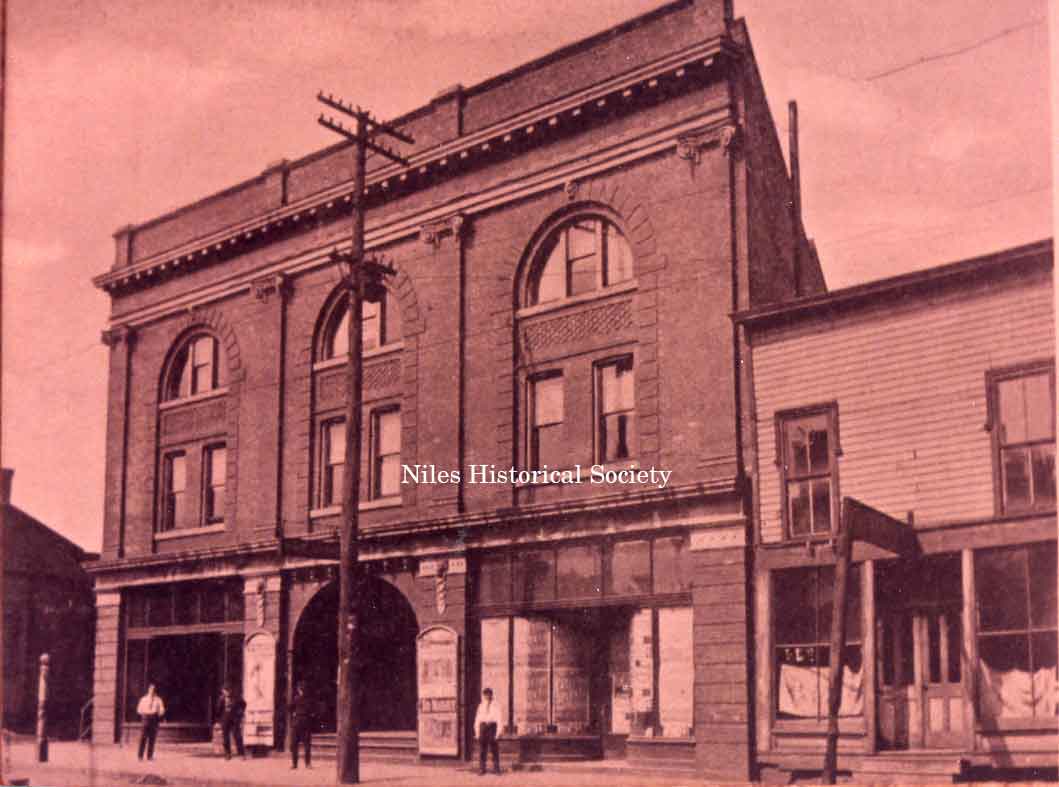
Verbeck Theatre on East State Street. |
The Verbeck Theatre was constructed by George H. Verbeck in 1903 on the west side of Furnace Street, or what is now known as East State Street.The theater opened on December 21, 1903. The venue later became known as the Niles Opera House with William Dunnavant as owner. Benjamin Warner, father of the famous Warner Brothers, took over as manager in 1915. After a fire gutted the Opera House on September
16, 1920, Ben Warner purchased the site from Dunnavant and began
to rebuild. The top story of the Opera House building was removed
creating the two story edifice which became the new Warner Theatre.
Opening night took place on September 29, 1921, with Ben Warner
as manager. |
|
| |
||
|
|
||