Ward-Thomas Museum


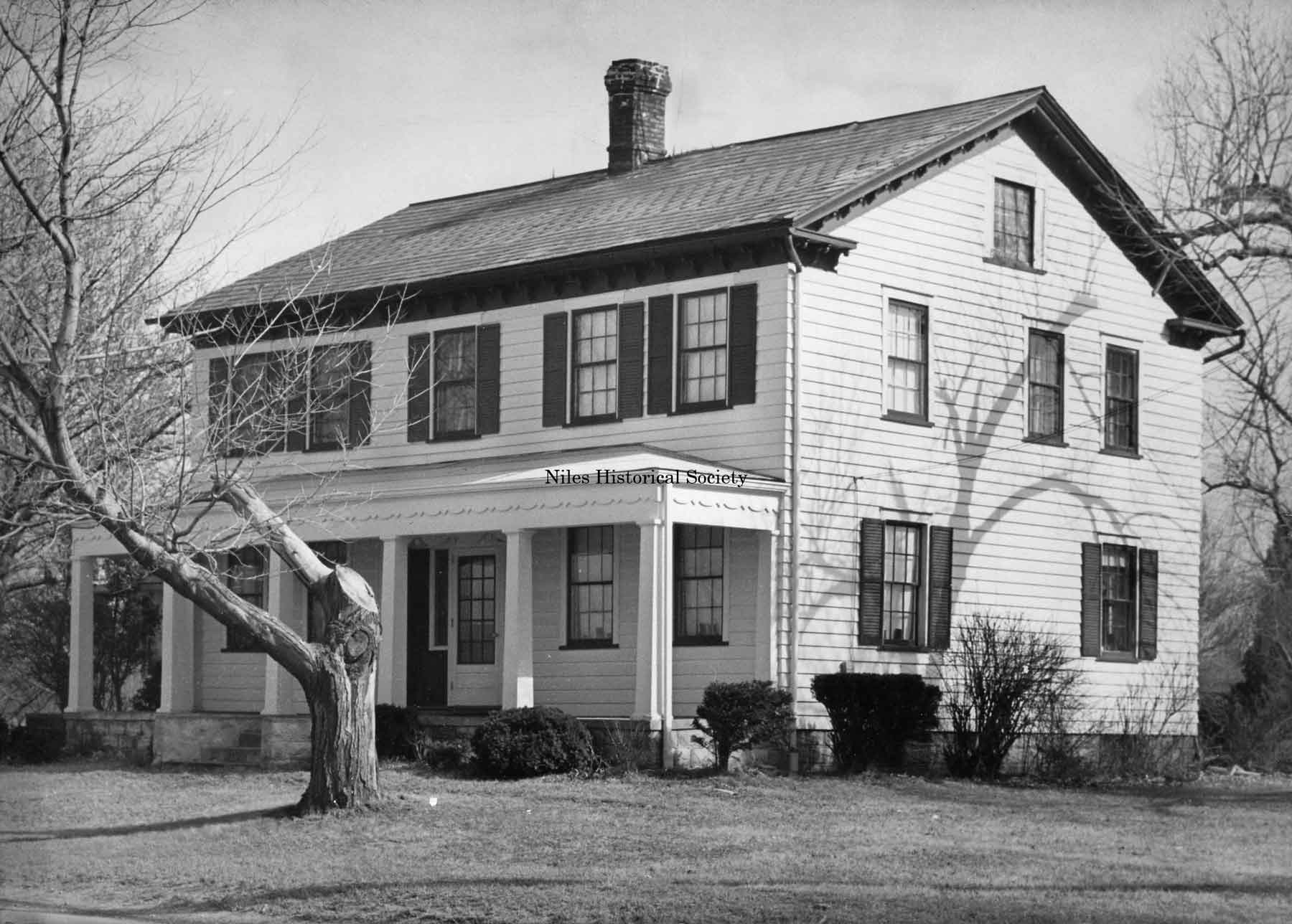
The Stagecoach House.
Ward — Thomas
Museum
Home of the Niles Historical Society
503 Brown Street Niles, Ohio 44446
Click here to become a Niles Historical Society Member or to renew your membership
Click on any photograph to view a larger image, click on image again to zoom into photograph.
|
Photo of the Westview House, previously owned by the Senko family and located at 649 Youngstown-Warren Rd. aka Rt. 422. Legend has it that this was a stagecoach inn during the early days of the settlement. PO1.1495
Looking east and south, of the intersection of State Route 422 and Niles-Vienna Road. Blotts Farm Market is green. The Blott farm first was a dairy and chicken farm, then raised white-faced beef cattle, pigs and chickens, exotic animals-pheasants, and eventually became a truck farm. The stagecoach house, known as Westview, is red near the intersection of Anderson-Morris Road and State Route 422. |
The
Stagecoach House. Article appeared in the Niles Times Monday July 17, 1989 By Grace Allison Like all communities of the 19th century, Weathersfield Township had many one-room school houses. The school system’s No. 10 school stood on the west side of Youngstown-Warren Road (U.S. 422) in the area where the Trumbull County Convention Bureau is presently located. The key for District School No. 10 was kept at the farm house across the road from the school and drinking water had to be carried from it to the school. That farmhouse, which is still standing, has had a lengthy and interesting life. An Old Stagecoach Stop If only that white frame house, which sits quite close to the highway on the east side of U.S. 422, could talk! It would have so much to tell! For this house has been a friend to man on many occasions for ever so long. It was a regular stopping point for passengers riding the stagecoach between Cleveland and Youngstown, Pittsburgh, or wherever during the pioneering years of this area. John Kinsman, a prominent Warren businessman at one time, purchased the land on which the house sits, as well as the surrounding acreage, from the Connecticut Land Company. He then sold it to John Heel, who came to this area from east of the Allegheny Mountains. In fact, the four corners where U.S. 422 and Niles-Vienna Road intersect was named for him- Hake’s Corners (Heek’s descendants spelled their surname ‘Hake’). During those early days, a log cabin stood in the backyard of the present frame house at 649 Youngstown Road and it was probably built by Heek. Frederick Plott bought this farm from Heek and then Benjamin Jackson became the owner in 1854 and built the present house, using timber that had been cut on the property. Much of the timber was either oak or poplar. On February 25, 1856 Jackson and his wife deeded their home and 67 acres to J.H. and Sarah Romig, who lived there for eight years; and on May 20, 1864 they deeded it to Benjamin and Mary Rayen Leach. There are no history lessons nor family diaries to enlighten historians as to this house’s involvement as a stagecoach inn-just a story tucked in a bottle, that will be mentioned later. However, it’s very possible that Jackson built this house primarily for a stagecoach stop, since the years he and the Romigs owned the property was the era of stagecoach lines. Also, the log house that predated the frame house could well have been a stopping point for the weary traveler. Who’s to say? And, perhaps business at the log cabin warranted more convenient facilities. Leach, a Hubbard merchant, was one of the earlier manufacturers of potash. He and Mary had eight children and they lived in the house from 1864 until 1898, when they went to Niles to live with their son, Stewart. |
|
| Westview Nick and Eva Senko purchased Westview in 1938, and during renovation, found a blue glass bottle in one wall. The bottle contained a 1902 penny and a paper that related the history of the property from the Leach family, it’s possible they deposited these items in that hiding place. The Senkos returned the items to their secret spot before closing up the wall. In the late 1920s and even today, the kitchen could easily serve as a dining room also due to its size. However, beyond the kitchen was the formal dining room and passing through double doors on the back wall, you entered a room used as an office by Murray. Next to the dining room was an entrance hall, and beyond the hall stood the formal parlor, with a parlor bedroom in back. In the front hall there was originally a winding staircase, evidently built in that manner to save space. Murray tore it out and put in a modern hardwood staircase. The big brass key for the front door weighed nearly a quarter of a pound and it had such a long handle on it that the current owners had it ‘reworked’ so it isn’t so large nor heavy, yet serves its intended purpose. Initially, the upstairs hallway ran from north to south and one side of the floor could be converted into a ballroom by opening folding paneled doors between the two rooms. Also, there were five small bedrooms on the second floor and at some time, these rooms no doubt accommodated weary overnighters passing through on the stagecoaches. After Murray’s renovation work, the hallway ran through the upstairs from east to west with a second stairway in the back area of the house leading to the second floor. He also enlarged the sleeping rooms and built clothes closets in them. For a great many years after this
nearly 135-year-old home (1989) was built, tallow candles served
as the only means of illumination during evening hours. The
candles were made there on the farm, a dozen to the mold. The Senko family was well-known as the proprietor of a roadside market for many years. Today the second generation of the Nick Senko family enjoys Westview, that house by the side of the road. |
||
| |
||
| Stagecoach
House land being cleared for Angiuli's Farm Market building. November 20, 2024 |
||
| |
||
Exterior view of Stagecoach house. |
Exterior view of Stagecoach house. |
Cleared lot of Stagecoach house. |
|
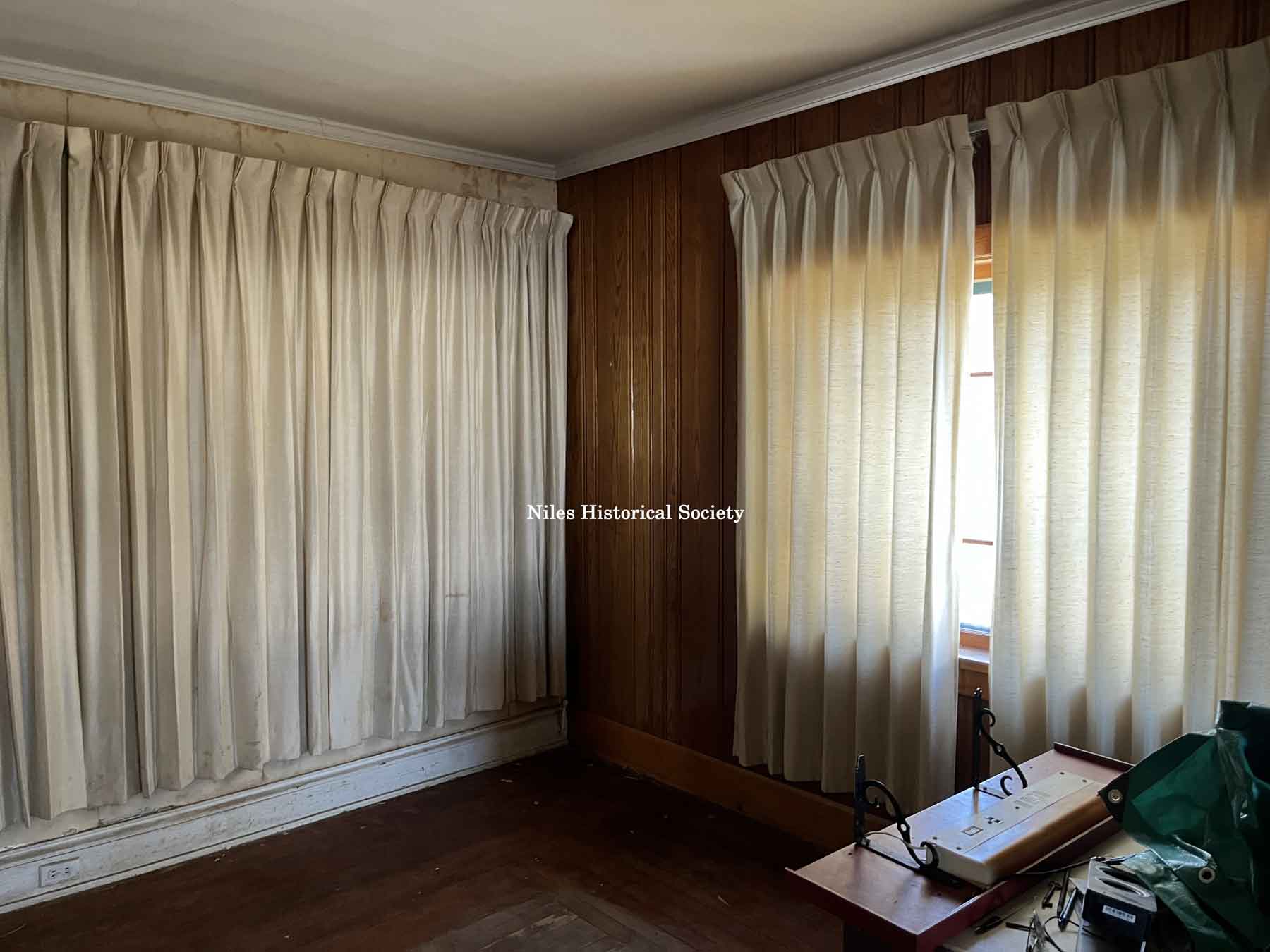
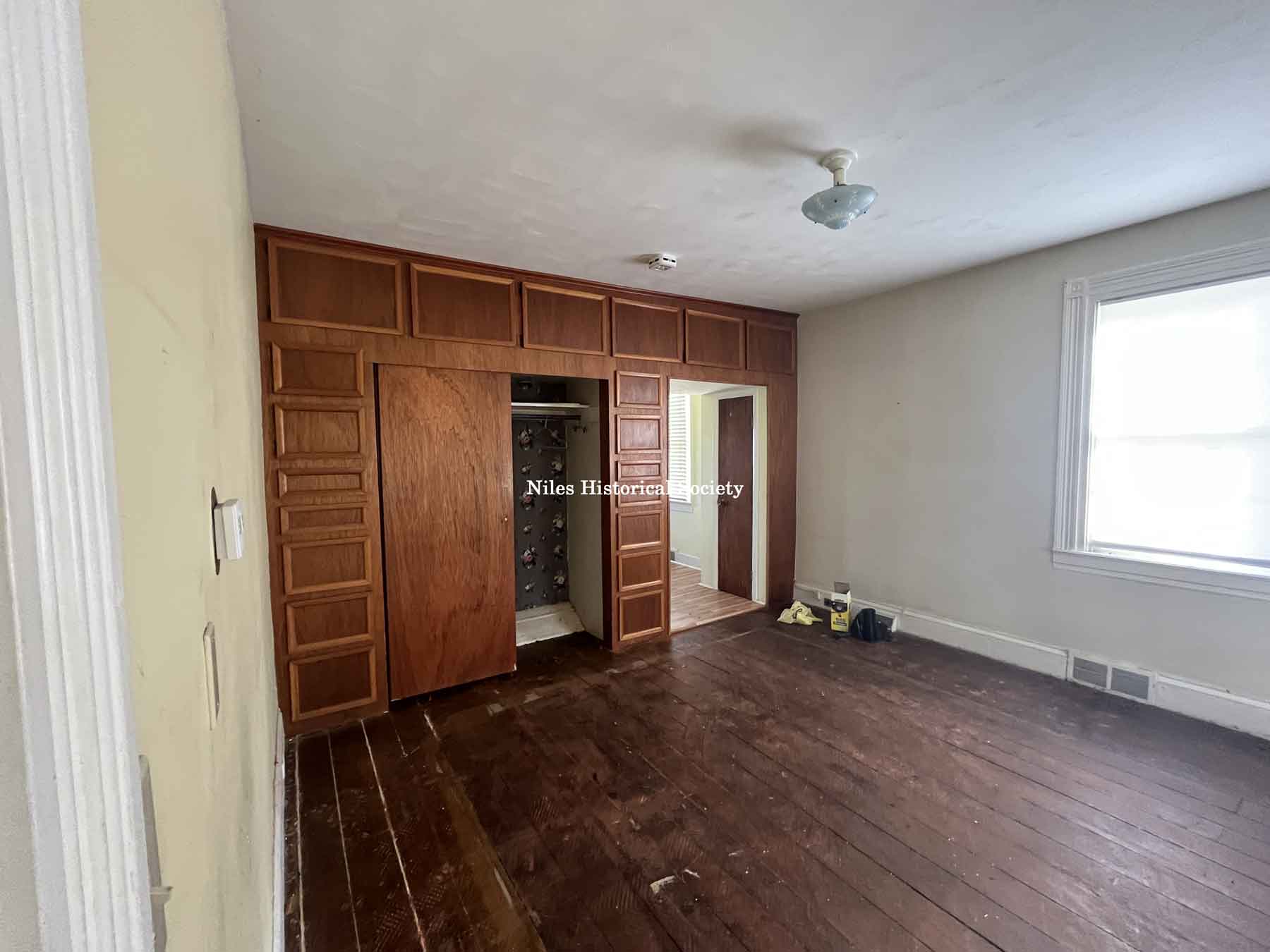
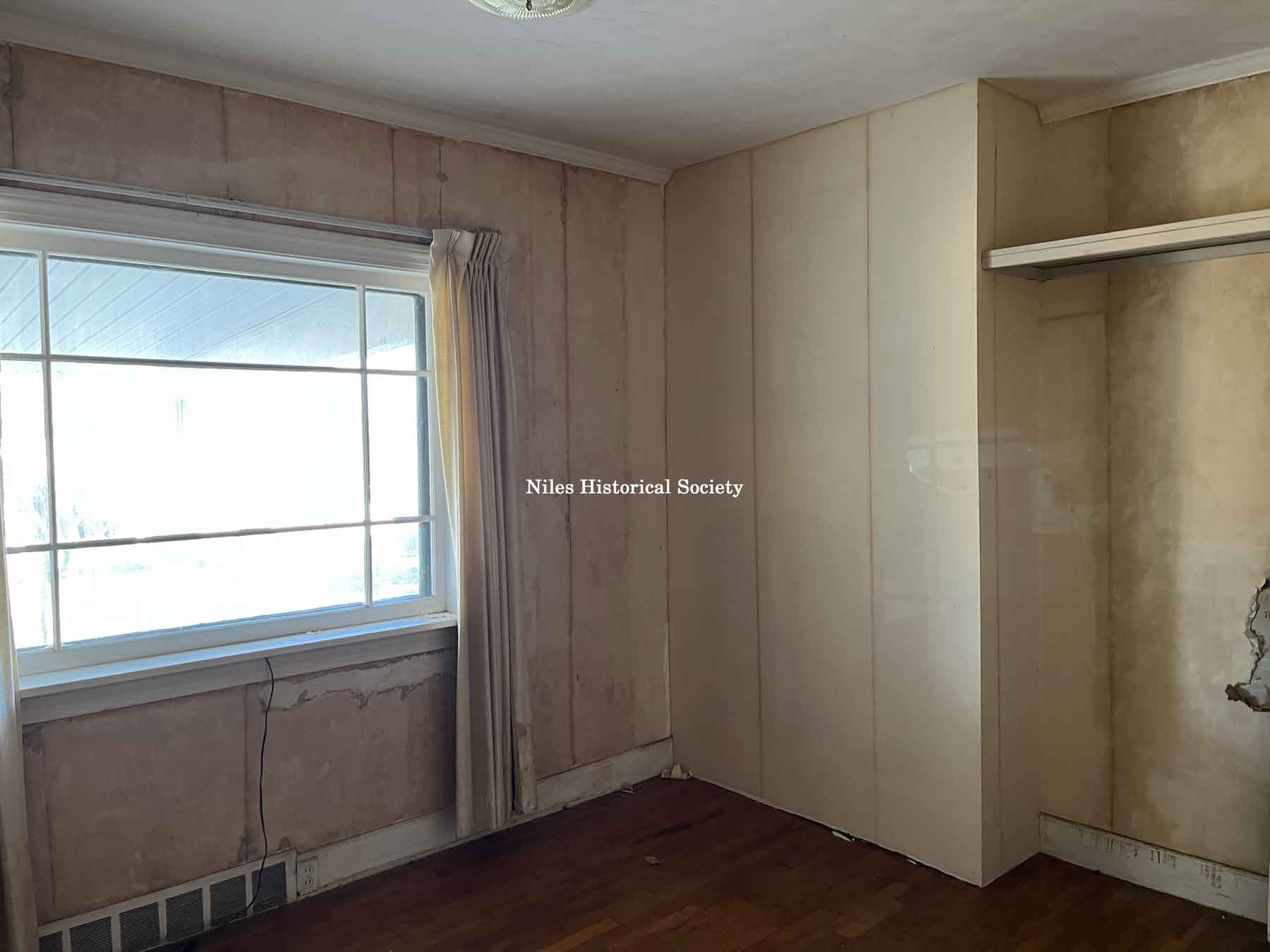
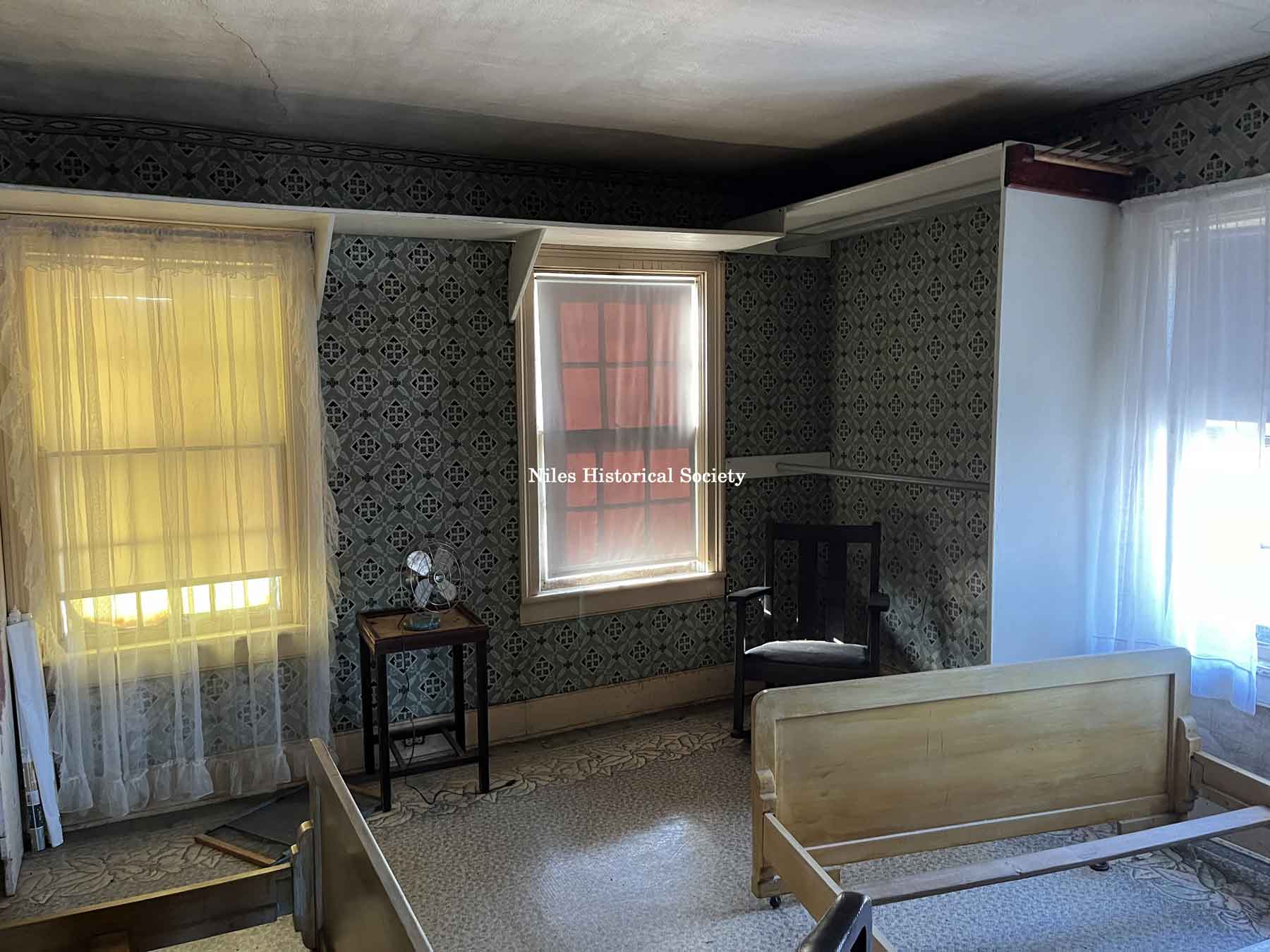
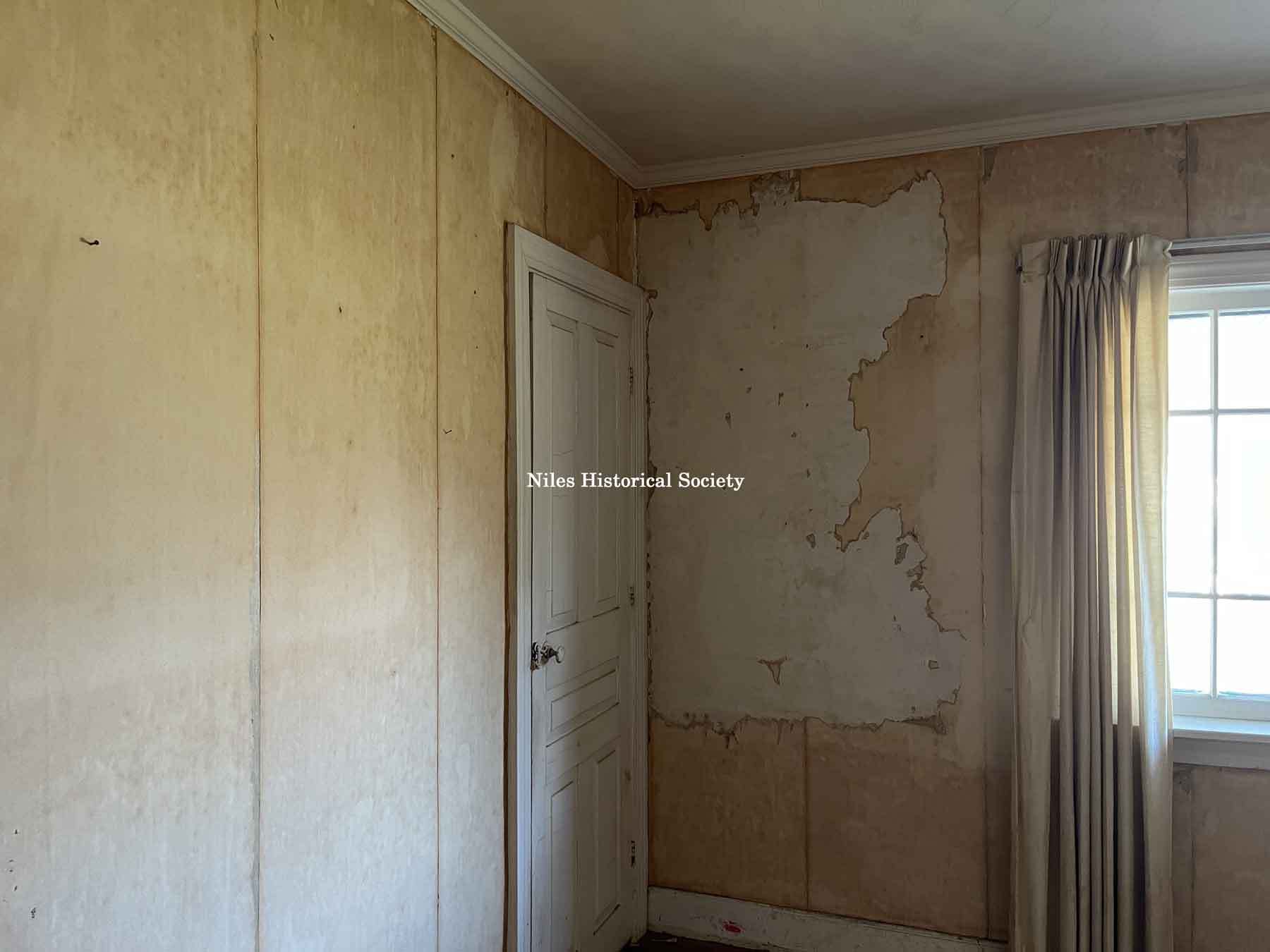
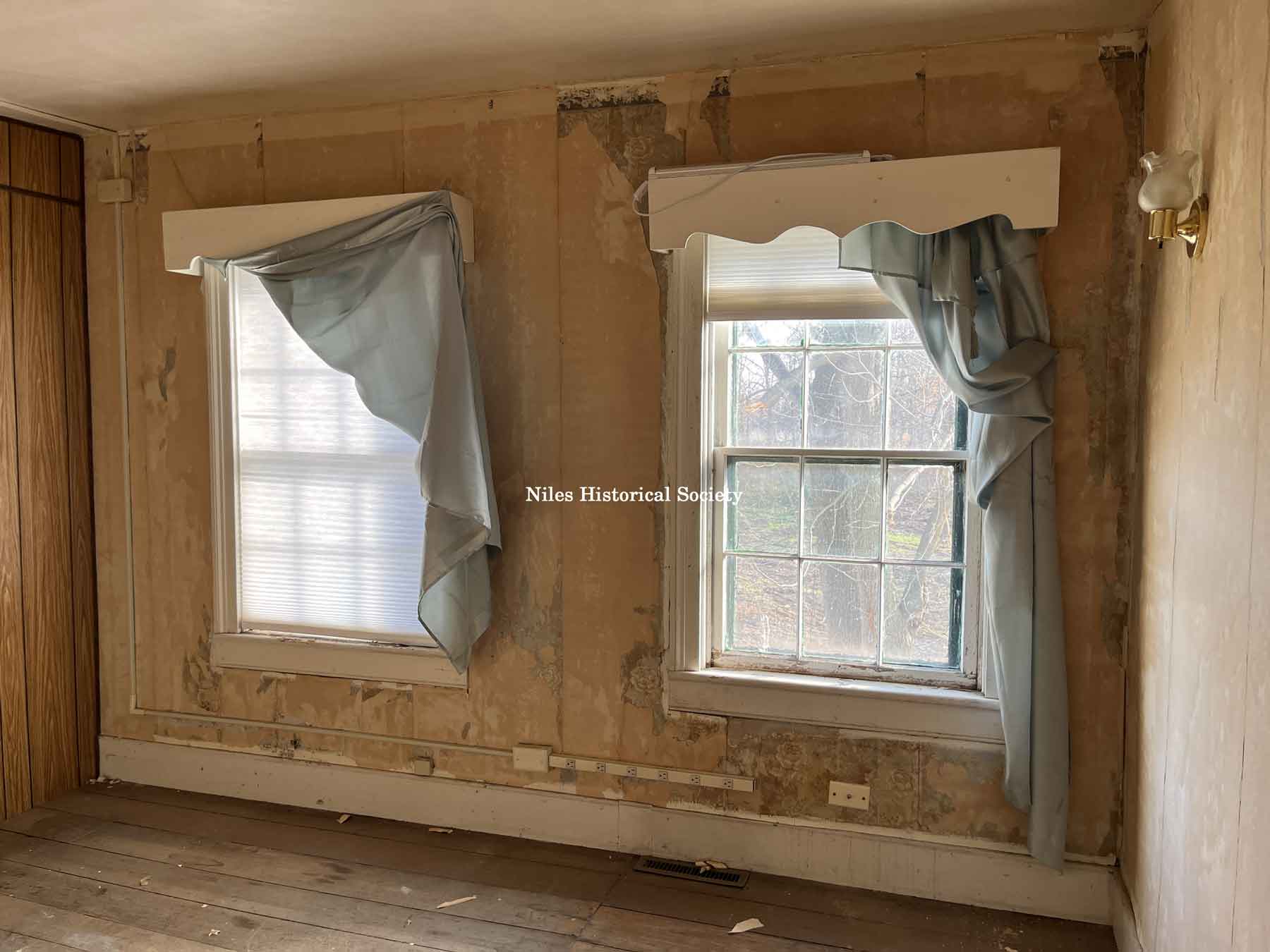
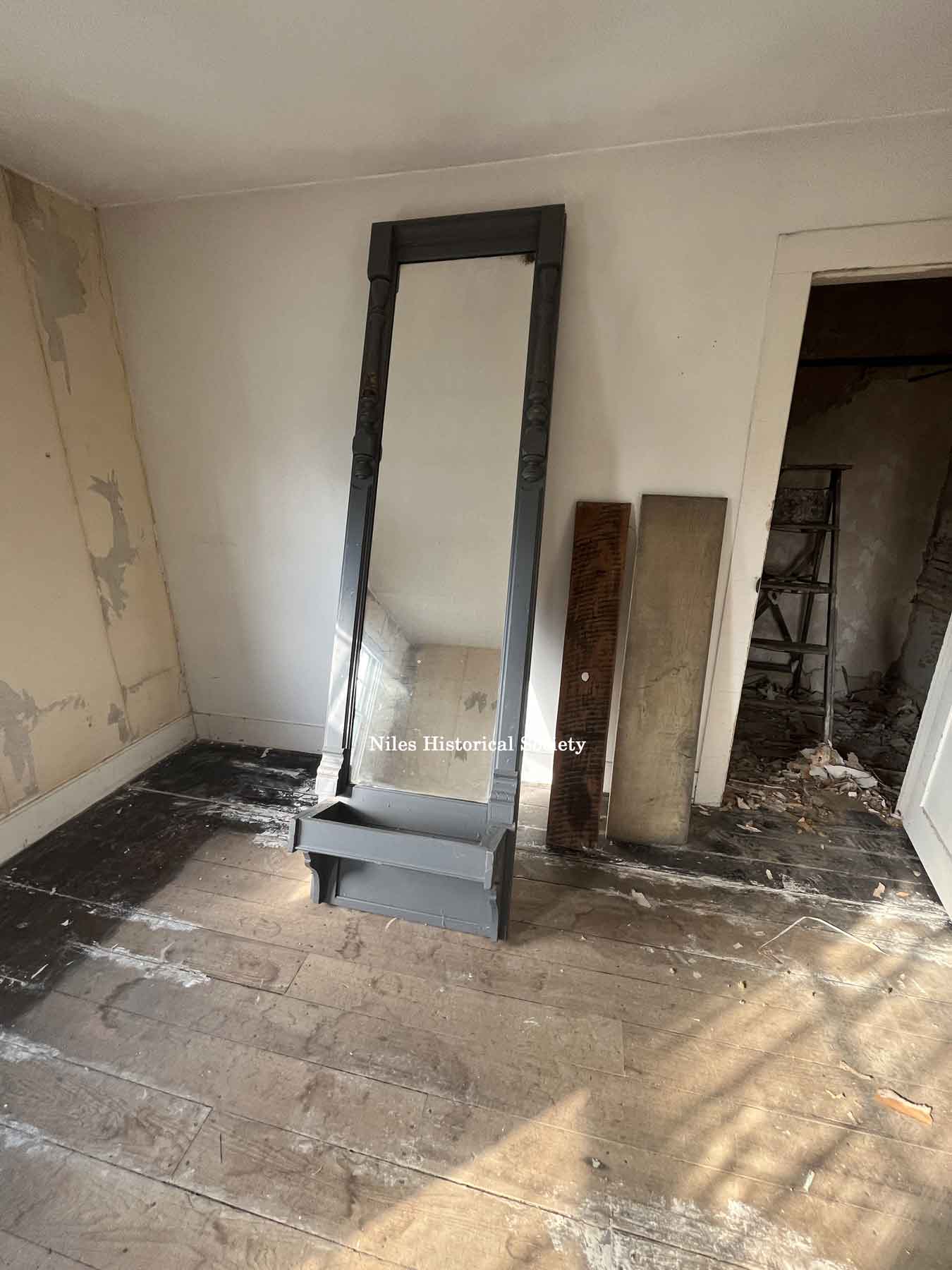
Interior photographs of the Stagecoach House dated November 20, 2024. |
||
| |
||
First floor kitchen |
First floor front room |
First floor room |
First floor sunroom |
First floor main room |
Stair railing to second floor |
Second floor original wide board floor |
Built-in bookcase and writing shelf |
Second floor bathroom |
Second floor bedroom |
Second floor bedroom |
Second floor bedroom |
Second floor bedroom |
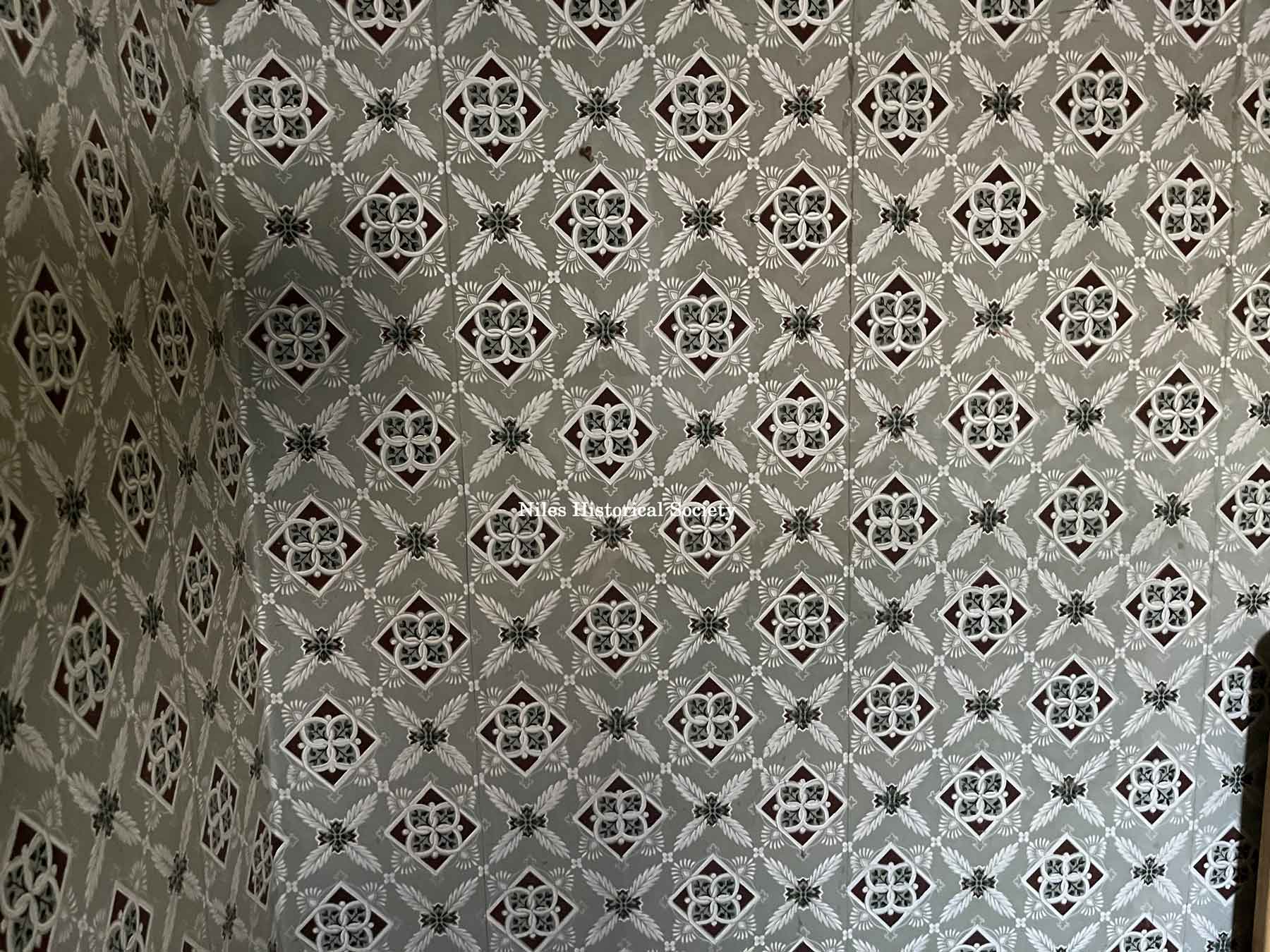
Wallpaper sample |
Second floor bedroom with long mirror |
|
|
||